Table of Contents
The type of loss is additionally an element. For instance, chances are you'll grieve longer and more difficult over the untimely end of an enjoyed one than, say, the end of a charming relationship. With time, pain signs will generally reduce. You'll be able to feel happiness and delight along with grief.
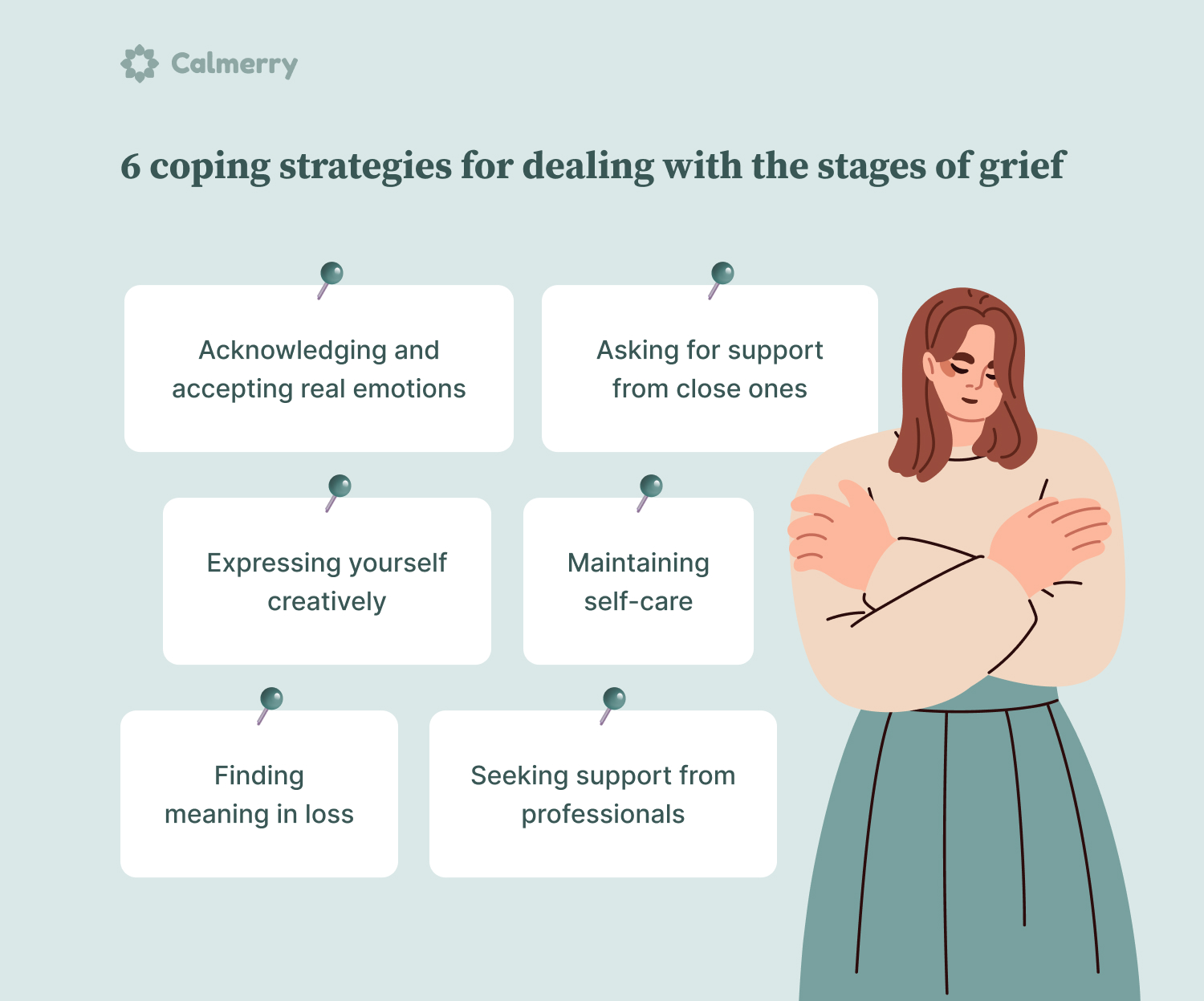
Don't separate yourself. Workout on a regular basis, eat well, and obtain enough sleep to remain healthy and stimulated. Get back to the activities that bring you happiness. Consult with others that are also grieving. It can help you feel extra connected. Studies show that taking part in a sorrow support system can help safeguard you from creating long term or difficult grief.
There are some ways to support your loved ones when they're regreting. Help with arrangements? Deal to run tasks, drive their youngsters to school, cook a dish, or aid with laundry.
Never ever claim a loss wasn't a huge deal, or that they need to move on. Do not place a favorable spin on their loss.
Transforming Medical Trauma Through IFS / Parts Work Therapy in Sacramento
Working via grief might require expert assistance. If your grief hinders your life, or your signs and symptoms aren't better after 6 months, it might be time to chat to a mental health and wellness therapist or therapist. Despair is a natural response to different type of loss. You may have various feelings that come and go, in any kind of order.
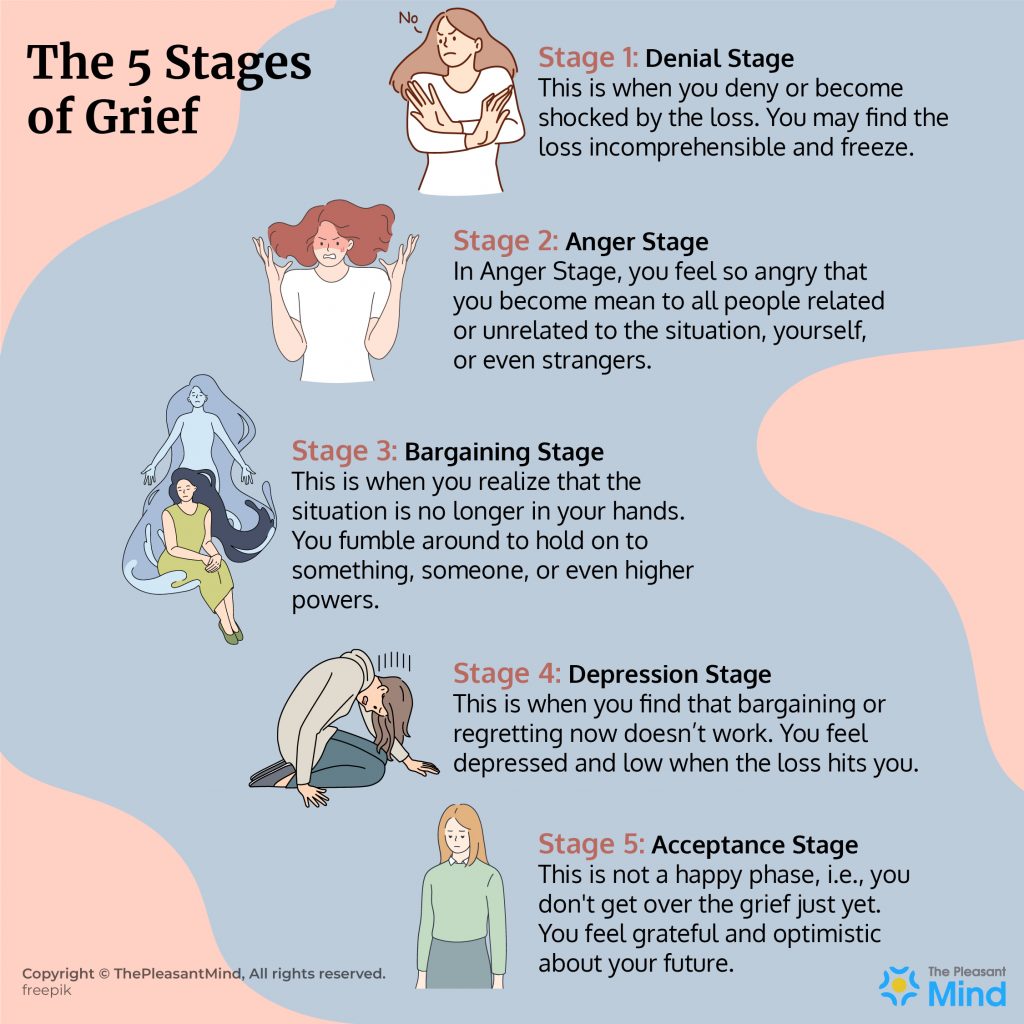
There are five phases of pain that can be used to help comprehend loss. There's expert aid and assistance readily available for coping with pain. Some specialists have broadened Kubler-Ross' five phases of despair to 7 phases.
There is no right or wrong timeline, yet this type of despair obtains much better with time.
The Function of Somatic Therapy in Depression Healing
The original five stages of grief (sometimes called the Kbler-Ross version) started with Swiss-American psychiatrist Elisabeth Kbler-Ross, who initially detailed them in her 1969 publication On Death and Dying."Dr. Kbler-Ross spent her profession examining the dying procedure and the impact of death on survivors," Dr. Josell shares. "She described this five-stage procedure of dying to help us recognize the process." The procedure was later related to those influenced by somebody else's death.
Symptoms of denial during the mourning procedure might consist of: Believing that there's been an error and your loved one isn't in fact goneRefusing to discuss your loss or acting like every little thing is Okay when you doStaying active with work or other tasks so you don't have to confront your feelingsPretending your loved one has gone on a getaway or will be back soonContinuing to speak concerning your shed loved one in the existing stressful The bargaining process sometimes takes place prior to your loss has actually totally happened, like when you think, "If I recuperate from cancer, I promise I'll begin going to church," or "If my other half survives his heart assault, I'll never ever suggest with him once again."This might not look like negotiating, but the reasoning is similar.
Josell makes clear. "Temper is a perfectly all-natural reaction, and when it comes to loss, it can be guided at a selection of resources," Dr. Josell notes. It can likewise manifest as condemn the feeling that a person is at mistake for your loss. You could feel mad with yourself for some perceived function in the loss, and even at your loved one for dying.
The Relationship Between Trauma and Achievement
If you lost your work, you may feel upset at the colleague who acquired your work. If you could not afford your home and had to offer it, you may really feel mad with the financial institution or perhaps the realtor or the new buyers. Your rage could additionally be much less targeted, approaching at arbitrary moments.
"Yet grief can transform right into professional depression, so it is very important to resolve it as you're experiencing it," Dr. Josell encourages. The discomfort of your grief might never ever fully discolor. But approval suggests finding out to deal with the loss acknowledging this new truth and allowing sadness and pleasure to live alongside one another.

Table of Contents
Latest Posts
Face-to-Face vs Virtual Treatment with LGBTQIA+ Therapy: Determining Your Preference
Why Prioritizing Professional Psychological Well-Being Transforms Lives with Depression Therapy
Questions to Evaluate When Finding a Clinician
Navigation
Latest Posts
Face-to-Face vs Virtual Treatment with LGBTQIA+ Therapy: Determining Your Preference
Why Prioritizing Professional Psychological Well-Being Transforms Lives with Depression Therapy
Questions to Evaluate When Finding a Clinician